How much did these concerts raise? By 7 hours into the Wembley set, Bob Geldof was told they had raised 7 million. After, the total globally was estimated to 50 to 50 million, but people were still giving. In total, the concerts raised 150 million.
The world seemed to be sending real hope for those struggling in the famines and droughts of Ethiopia. Live Aid tried to send most of these to NGOs in the country.
According to Wikipedia though
It has been alleged that much of this went to the Ethiopian government of Mengistu Haile Mariam – a regime the UK Prime Minister Margaret Thatcher opposed[7] – and it is also alleged some funds were spent on guns.
Emma was lovely sometimes, but other times there was a wailing banshee inside her. She’d explain the nasty side as trying to support Astrid to manage without help.
Whenever they fell out Emma could also sweet talk her way back into Astrid’s favor.
And because Astrid often felt worthless, and helpless, she didn’t realise that she deserved better. In fact, Astrid was far from helpless, but that didn’t stop the voices saying otherwise. Astrid could be really good at some things, but she didn’t see things the way others did.
It came to a head though when Astrid’s mum started trying to take control of what was happening.
Emma didn’t like that, cause Emma was trying to rewrite the contract and give herself more power over Astrid.
So the fights started with Emma trying to pressure, and Astrid’s mum to control. It was up to Astrid to end it.
At first she was won over by Emma and sided with her for a while. But Mum came back in strong, and showed her the contract that already existed for Emma.
The problem was Astrid felt ashamed standing up to Emma. She had to do it though. This was the only way.
One day, Astrid saw Emma’s dark side come out again and said “You’re fired.”
Emma tried to plead, turned on the charm, but it didn’t work. Astrid could see what was going on plainly. She sent Emma away, and let her Mum help with hiring the next carers. It wasn’t full independence, but it was better than how Emma had behaved.
The Facts
The story above is based on real events, but all names changed. Does it sound familiar to you? Many disabled and learning disabled are victims of domestic abuse, without knowing it or being able to speak out. Why? They are often socially isolated.
Also, they might not be capable of seeing a doctor or social worker without the abuser there.
Or, they may be dependent on the person abusing.
It is important that they speak out because no one should accept abuse.
I am also judged when someone automatically helps me. Instead of asking whether I need support, or waiting for me to say- they make an automatic assumption. The problem here? It makes me feel less capable to manage without that help.
It’s also judging, when someone is excluded or included in a social activity.
The worst way of judging for me is when people say am amazing, just for handling what others manage normally. It’s like, others manage that, why shouldn’t I?
And when (mostly older generation) people stare at me in public, guess what it is? Judging!
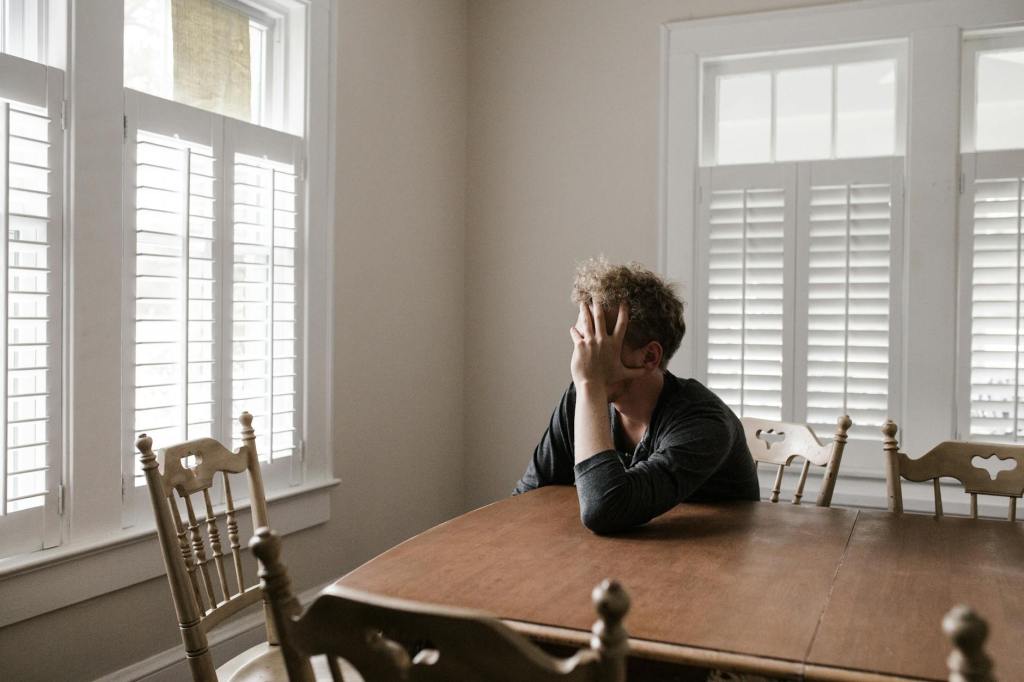
It’s time to talk about another big issue. Don’t worry though, not all the news is bad. Did you know people with disabilities have a higher chance of developing mental health issues?
People with complex disabilities are four times as likely to say their general health is bad or very bad (25%) compared to the general public (5% according to the 2021 general census).
On average, people with complex disabilities have lower happiness levels (6.02) compared to non-disabled people (7.45), according to figures from the Office for National Statistics).
Those with complex disabilities have higher average rates of anxiety (5.09) compared to non-disabled people (3.12).
Additional research also shows that:
30% of people in the UK live with one or more long-term physical health conditions, over 26% of which also have a mental health problem.
70% of disabled people say that social isolation affects their mental health and wellbeing.
I’ve certainly found disability adding to my struggles in life, or is it down to social barriers?
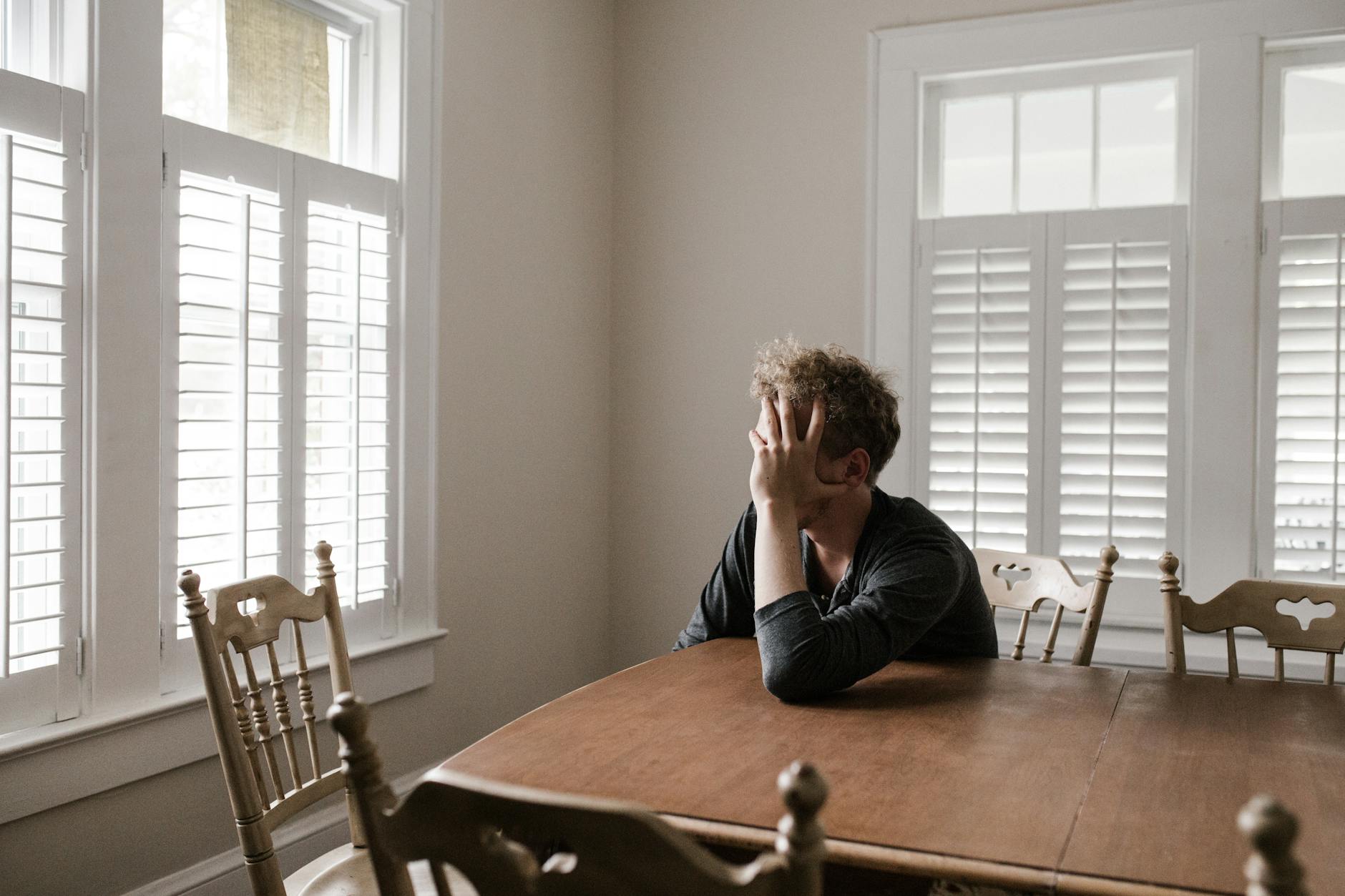
Being disabled has left me feeling like a burden on others and unsure of my abilities. I don’t choose to be like this but it is my reality.
go outside for mental health, the issue for me is having somewhere fun to go. I have found it difficult to make friends or find community locally because am so different to others.
Yes, there are people who value you and consider themselves friends, but can’t relate to me or my life. There is help though.
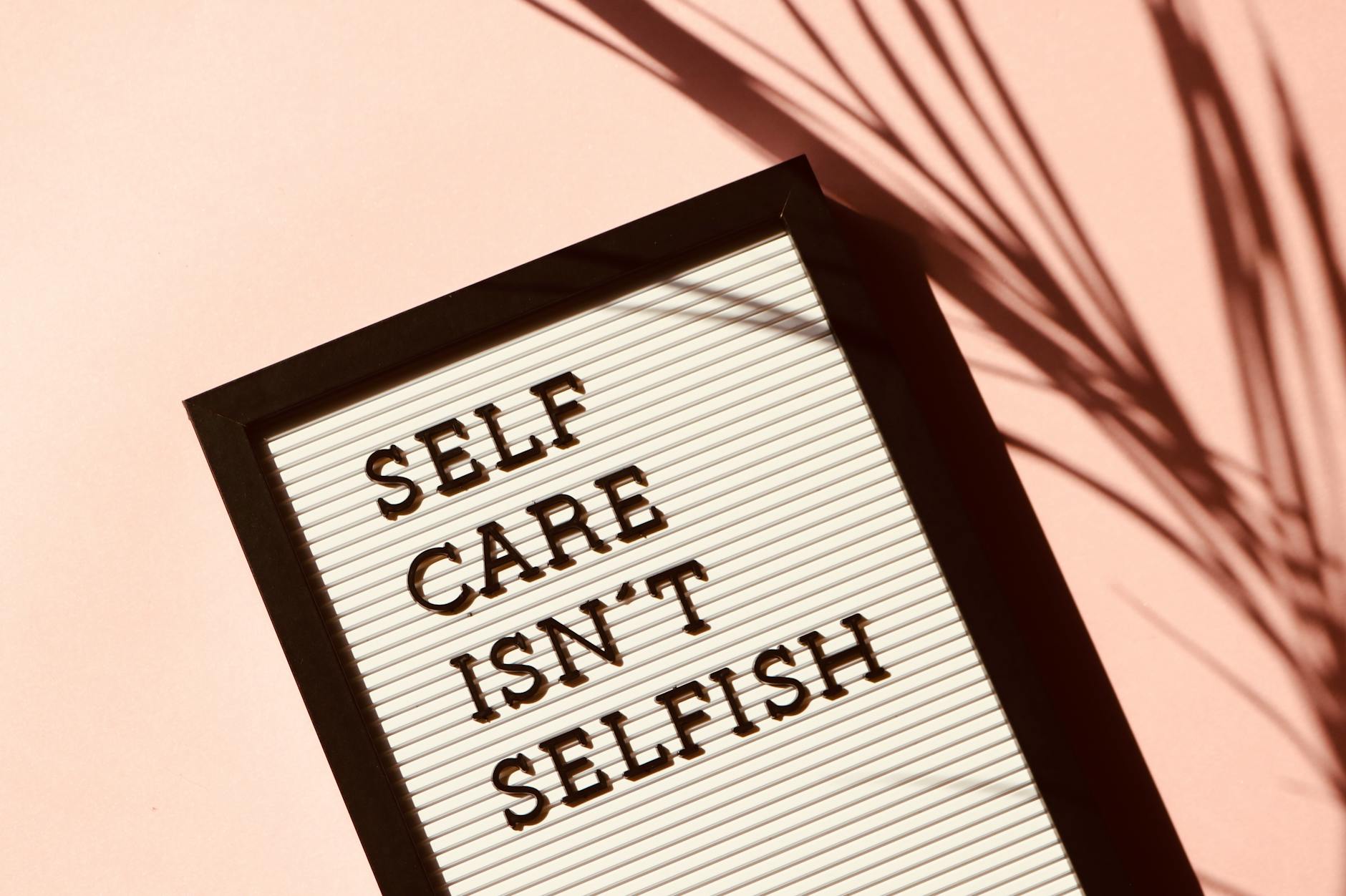
There are lots of ways people can care for and support themselves. What works for some may not work for others.
Many people will say going out and being in nature helps them. The issue for me is having somewhere fun to go. I have found it difficult to make friends or find community locally because am so different to others.
I use other ways to care for myself. These include watching cartoons, gaming, getting myself a treat, watching a movie and writing/ drawing/ creating.
Find what works best for you.
Resources
GP/ NHS app – if you are struggling it is best to get in touch. There are waiting lists for support, but each council has some available for free. You could also get social prescribing through them.
Wellbeing apps like Headspace and Calm help with practicing mindfulness. There are also phone journals to document thoughts.
Samaritans – this charity runs a 24 hour mental health line
Action for happiness – this group offers a wide range of online resources, and run courses across the UK.
Mind – one of many mental health charities operating in Britain
Why do we have disability pride? The answer goes down to finding our identity and feeling good about ourselves. It also serves to promote the need for diversity and encourage others to embrace it.
Time for a personal reflection on it. Finding yourself is a lot harder when you are someone who doesn’t fit with normal social expectations. I have seen firsthand how it is to feel helpless and struggled to do things that others find easy. It took away my sense of self, belief in my skills and ability to be resilient. Being disabled can also leave people feeling burdened, and alone.
As humans progress, I believe we will one day change society so we can be included better. This will lead to more willingness to hire disabled workers, and more role models that show disability in positive light.
Right now, disabled are often viewed in media with certain stereotypes. These include superheroes and villains, vulnerable people who can’t manage, or miraculous healers. None of these are positive images that show a good picture of disabled lives.
So, think about the disabled people around you, and who they want to be.
There is one thing many agree on, which is that success is important.
In access, success means increasing how accessible a product, service or building is.
With a website this involves creating digital experience that others can engage with, regardless of ability level.
We do this through using plain English format, ensuring websites are mobile accessible and responsive to the needs of viewers. For this, the messages should be easy to view and understand. They should also be worded well.
Finally, websites should welcome criticism or feedback in how they are formatted.
So here is an action. Have a think about what would make access to my pages easier and get back to me?
I don’t talk much about my work, but I have a part time administration job. Some of you who read this know who I work for. As this blog is not connected to work and office, I won’t say much.
What I can tell you is I have had several public speaking opportunities on disability employment.
There has a been large push to get more disabled into work, but it doesn’t look at the largest barrier. That is social attitudes and unconscious bias.
I searched for work 6 years after leaving university before going to a specialist disabled recruitment agency. Why didn’t I join them sooner? I don’t like being given a label or told to join the other disabled people. I was desperate to be included, and not segregated.
The work pays but not enough for me to save a great deal. Actually, I need to have benefits on top. There isn’t a way a disabled person can get into work without specialist recruitment agencies. If the disabled person wants to change jobs, the agencies can’t help them unless unemployed.
The action here is to think about how we can change the social bias on disability employment. If you want to change the situation, you need a plan.
That sounds like a hero’s quest, am I right? … it is one we can all do though. You see, am referring to the shadow thoughts/ or what Action for Happiness call thinking traps, which affect our resilience.
What does that mean? It refers to thinking patterns that leave us feeling hopeless, worthless or, despairing. When they grab hold we can feel there’s no way out, so let’s look at them more.
One I personally battle with is a feeling that I will always be alone. It is very far from reality, but in my head it cries out. When am calm though, I can show evidence which contradicts it.
Action for Happiness list the main thinking traps as
Blaming ourselves – believing that everything is our fault
Believing this is permanent – feeling that what is going on can’t be changed
Believing it will affect other areas of our life – If a problem is impacting one area, there is a fear it will spread to others
Blaming others – believing that others are causing us problems or difficulties
Black or white viewpoint – interpreting events as all bad, or all good, no in between
Mind-reading – assuming we know what others are thinking or feeling
Mislabeling – believing that we or others are one thing on the basis of a single or narrow situation.
Shoulds – having a fixed ideal on what should happen, or what you should have
Magnifying or minimizing – overplaying or underplaying what something means, how important it is or how likely it will happen.
Seeing our emotions as truth – believing all emotions are a true representation of what is happening.
Catastrophizing – believing the worst will happen even if it may not do.
How many of those have you felt? If you are like me quite a few but all is not lost. We can beat these traps without bloodshed.
When you feel those things, try to write down all the evidence which contradicts them.
So, let’s go back to my case which I mentioned at the top. My main contradictory evidence is that I have a supportive family, other people who value me. I also have had people who wanted to date me, and can go out to find other social groups. Further evidence is my virtual friends on social media. They are the ones I don’t see often (or at all). And finally, someone else is always going through a similar journey so we are never truly alone.
When you feel those thoughts try to challenge them by yourself, or with others. There is no shame in asking for help.












 Beth writes