Category: Uncategorized

  • I do love to access the seaside – Scarborough

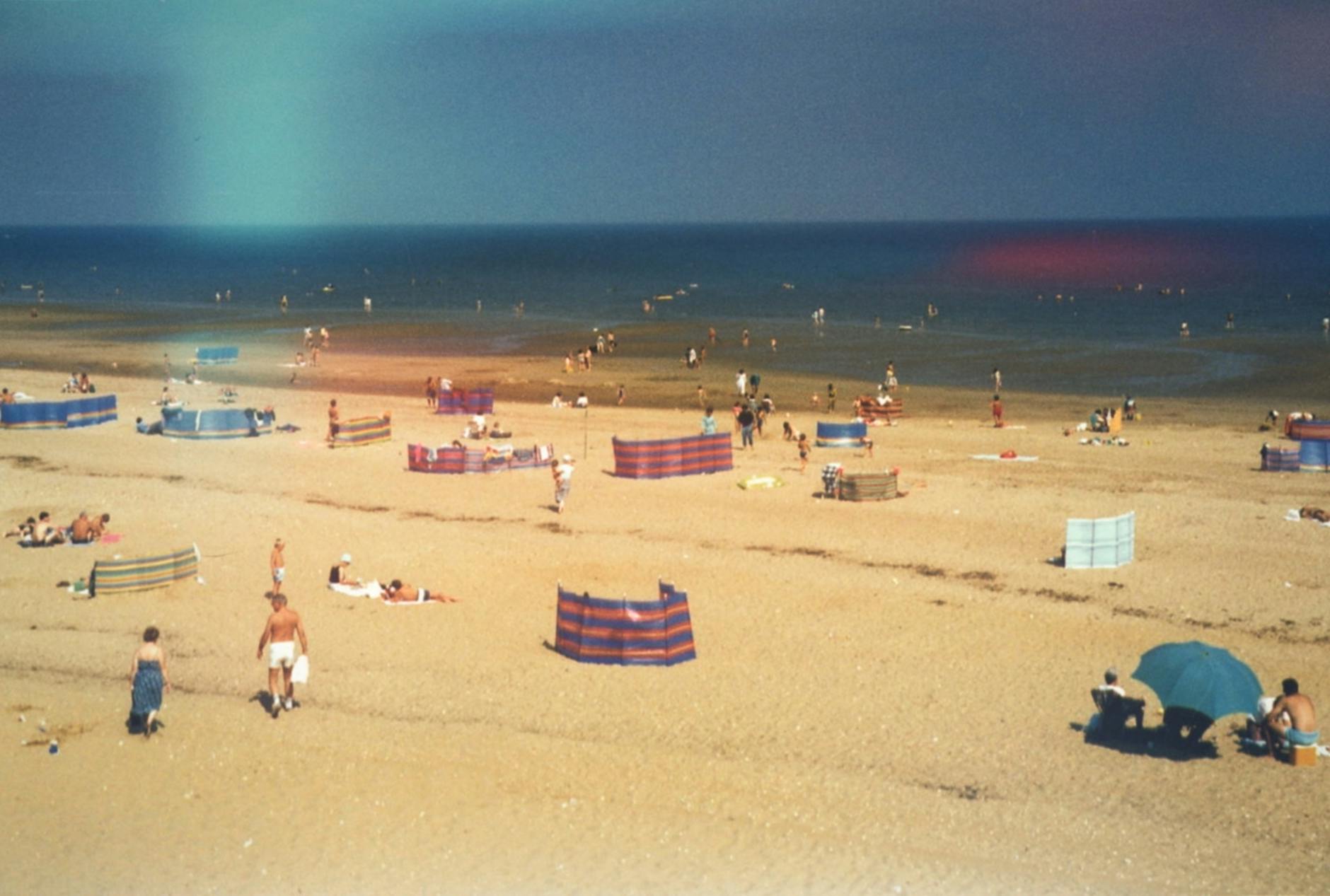
    South Bay sea front view of Scarborough, with sea in front.
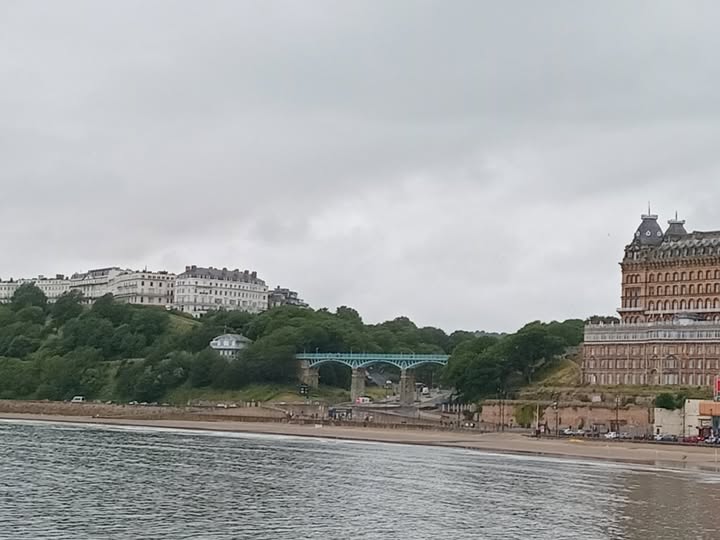
    South Bay, Scarborough under cloudy sky

    Hello everyone – I haven’t posted in a few days.

    And where have I been? Up north to Scarborough, Yorkshire.

    The review which follows is my opinion on the access issues there.

    One of the best things is that local people are mostly friendly and willing to help. I also saw regular buses going from the town center, and many buildings had lifts and accessible entries. My hotel, The Royal, had a lift up from the street level to the reception.

    A victorian tram rides up and down St Stephen's Cliff in Scarborough.

    Let’s talk about getting around Scarborough.
    In the picture above there is a little tram that goes up and down the cliff. This would be the best way to get down to the front. The down side to that is it is not always working.
    The hills and cliffs aren’t something they can change much. If this tram was accessible every day it would make life easier. It’s only 1 pound per trip, or 2 pounds for return.
    There are also steps up and down from the cliffs. And a sloped path put in for those who can’t manage them.
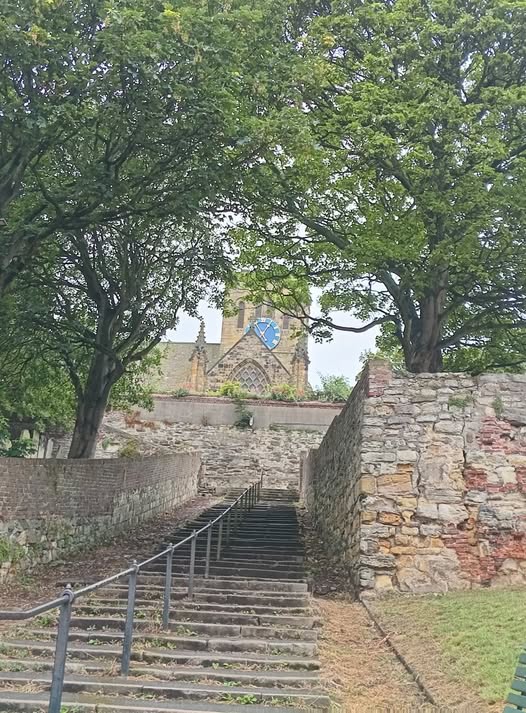
    A long staircase leads up to St Mary's Church from close to the sea front. There is a banister going all the way up the middle.

    There are also sloped roads to get up and down, though these can be more of a challenge.

    An open top bus runs along the seafront from 9.30 am till the evening. This can be very helpful as the walk between is 3 miles.
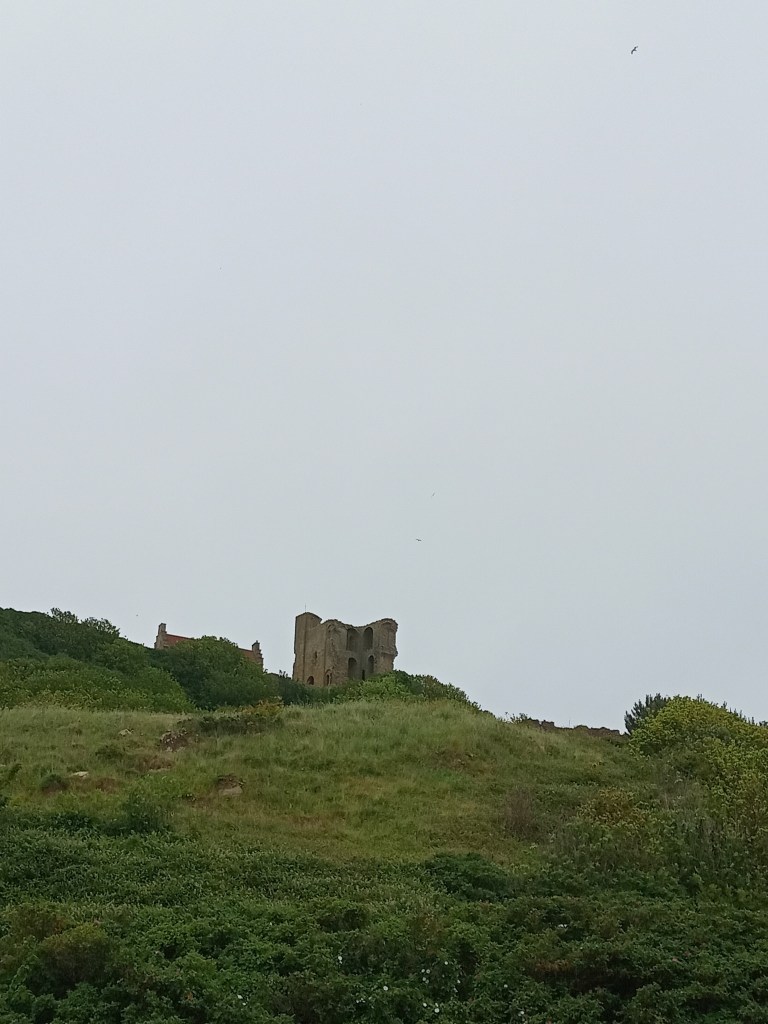
    View of Scarborough Castle on top of hill.

    If you want to go up to the castle then prepare to be climbing up sloped roads quite a lot. It is beautiful at the top but hard to get to.

    My biggest accessibility bug bear though was a lack of public conveniences. I got caught out walking up to the castle and couldn’t find toilets again till back down at the beach. A few WC facilities along paths would make this easier.

    So, in review Scarborough isn’t the best for access, or the worst.
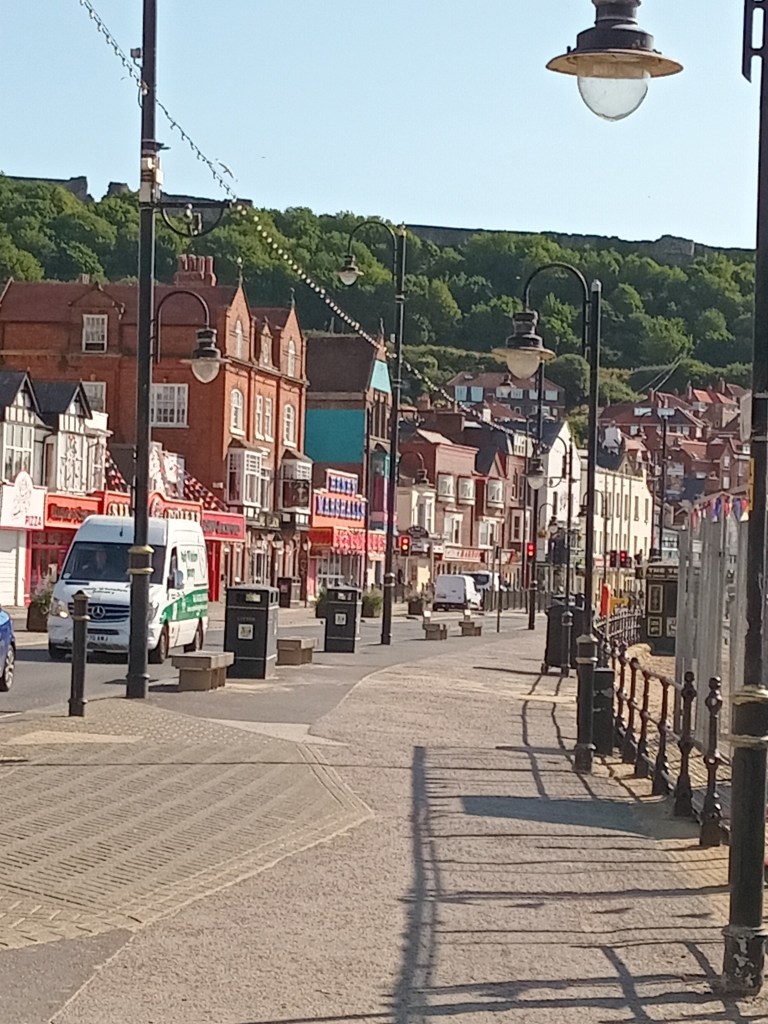
    Promenade of Scarborough sea front

    My advice is to always check where you are traveling can always meet your access needs.
  • Accessible content – getting through barriers

    Photo by Mwabonje Ringa on Pexels.com

    Thanks for staying with me.

    We can’t talk about access, without looking at the things that prevent it, blocks and barriers.

    Ask any disabled person, I expect you will find that they have come against blocks/barriers in their life.

    Some places try to improve this and will consult with learning disabled on how things can be done better. I see a few companies putting in positive employment schemes to help disabled workers join or advance. That’s brilliant help.

    Let’s talk about how we manage through barriers without the help there.

    It’s important that we speak out and explain the issues that we have. After all, if we can’t explain the problem or barrier, how can others help us through it?

    I challenge you to think about the blocks and barriers in front of you. Write them down, list the areas and explain how you would like others to help you through.

  • Accessible Content – Do you have access?

    Decorative image - little blocks forming a question mark.
    Photo by Anna Shvets on Pexels.com

    We talked a lot about the words used, sentence structure and being conscious of readers in other blog posts recently.

    The next level is using fonts, size and color schemes that are user friendly.

    Decorative images of an open book to talk about fonts size, style and colour.

    The information below comes from a British disability charity called Scope. I attach a link to it here. Font accessibility and readability – the basics (Scope)

    The more readable your font is, the more likely it is that people reading your content can:

    • understand your message
    • get the information they need quickly

    The accessibility of a font can vary with different needs. This can make it difficult to choose one single, ‘accessible’ font. Font choice can particularly affect people who have:

    • a visual impairment
    • dyslexia
    • low literacy
    • learning difficulties
    • conditions like Irlen syndrome that affect the way the brain processes visual information
    • migraines
    Photo by Leeloo The First on Pexels.com

    So, which fonts do we use? Actually there are many accessible fonts we see every day. These include

    • Ariel
    • Helvetica
    • Times New Roman
    • Century Gothic

    The bottom line here is fonts with simple, and familiar shapes are easier to read.

    The most readable size on a website is between 12 and 14 points. If your writing is that size most people won’t be straining their eyes to see it.

    Now, with regards to color. While black text on white background is mostly accessible, it doesn’t help all. Using a darker shade of gray is also effective.

    You can act on this by looking at the fonts, sizes and colors you use.

  • Watch your language

    Photo by Pixabay on Pexels.com

    There is a rather clever grammar joke I like, although it’s very old.
    Why did the Judge hand the prisoner a full stop? It ended their sentence.

    This leads on to our discussion of sentence structure. Learning this will mean you don’t have to use Grammarly so much.

    When we write – there are two ways we form a sentence, active and passive.

    In active voice style you start with the subject, as in the person writing or who it is about. In the middle is the verb explaining what the person was doing.
    Finally, the object – what it has been done to. An example of this is “I’m going to the shop.”

    The passive voice reverses this – the object is first, verb is second, subject is third. So the same sentence above would be “the shop is where I’m going.”

    If you need help getting words right , I recommend using Grammarly.

    However, what it can’t do is tell you if your message is going to be offensive. That’s why you need to be aware of cultural issues within your audience.

    Typically, you don’t know who is reading, so it is best to avoid offending anyone.

    If an opinion is against another group and the wrong person saw it, you could be in trouble. There is no guarantee that you wouldn’t.

    This is one area where you can’t be too careful. Just because one disabled person laughed at an ableist joke, does not mean others will.

    So the action here is to choose words carefully, and don’t forget the structure.

  • What’s so amazing about words?

    A notepad with two pencils on a pink background.
    Photo by Mike Murray on Pexels.com

    Before we talk more on fonts, type color, or pictures let’s talk about words. People use words quite a lot. We use them in talking, writing, reading, listening and thinking.

    An open book with hard to decipher writing with other books behind.

    Here is an example of how not to use words well… 

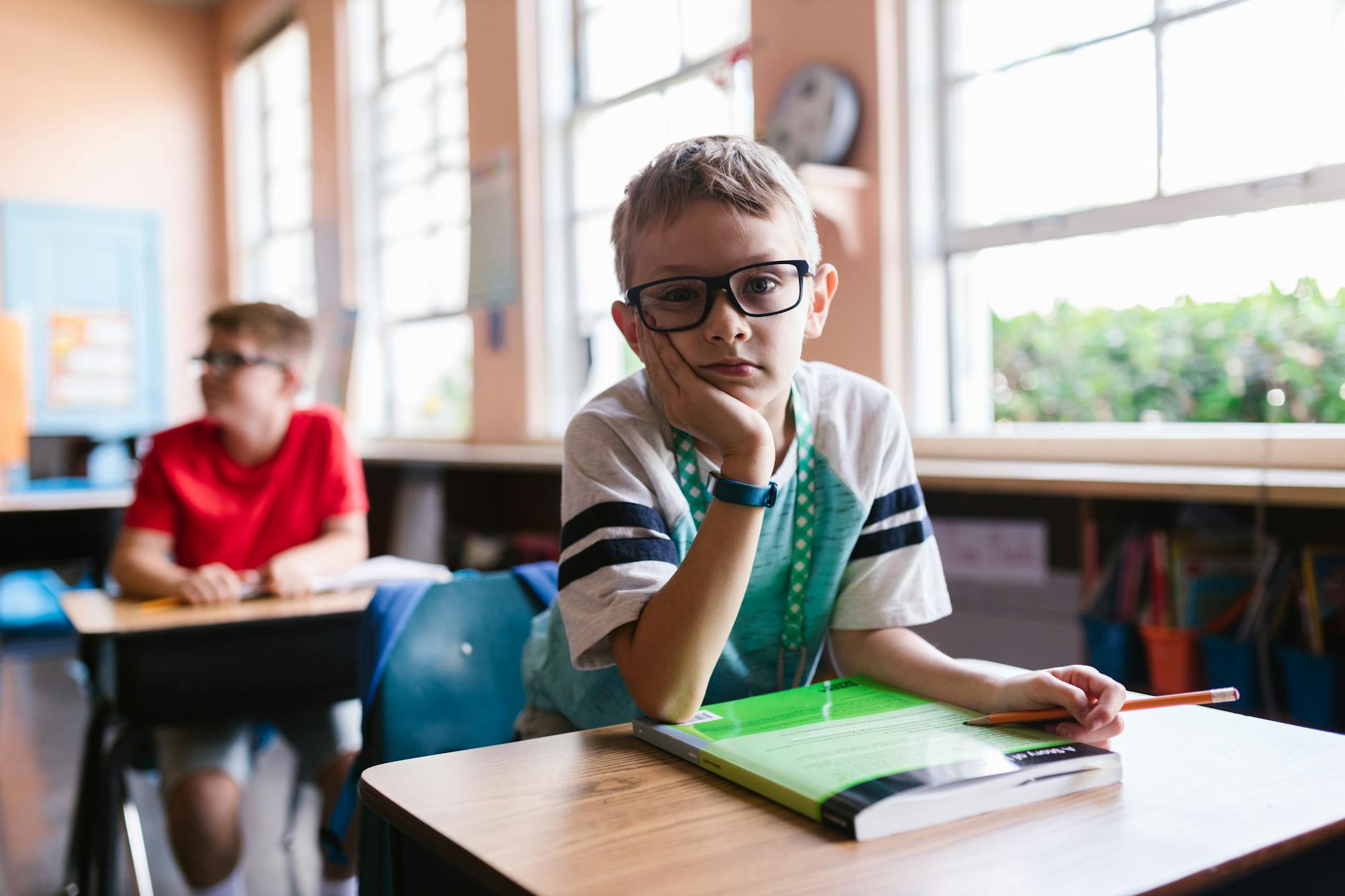
    Have you ever been in a class and felt the teacher was droning on and you didn’t understand? I know for me my mind will start to wander after a few minutes. I don’t mean this to happen but when classes or meetings aren’t interacting this is what happens. How much of the lesson do you think am going to remember?

    A bored child at school stares into space
    Photo by RDNE Stock project on Pexels.com

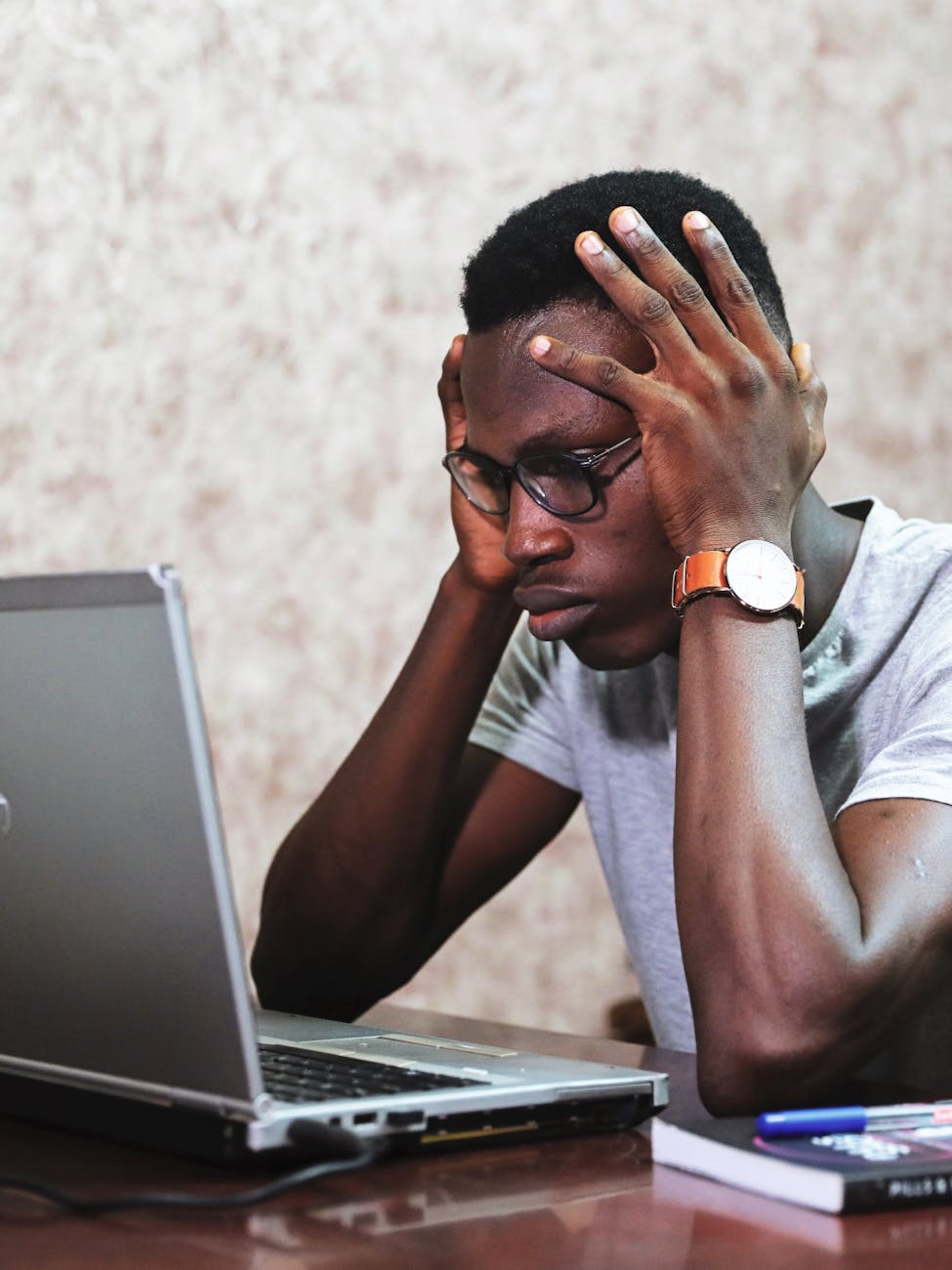
    Even when things are written down, they don’t make sense sometimes. The sentence and paragraphs structures aren’t right, or there are a lot of words we don’t understand.

    A man struggling to read information on his laptop.
    Photo by Oladimeji Ajegbile on Pexels.com

    In all our communications throughout life, we are sending or receiving a message from someone else.

    We already looked at what happens when someone doesn’t understand. To make this easier our communications should be

    • Clear – the message should be easy for the audience to follow.
    • Concise – This means being brief and to the point. We do this through keeping our sentences short and splitting different areas into paragraphs.
    • Easy to understand – getting its meaning across to others

    Here are two examples, one follows these rules so let’s see if you can spot which.

    1st) “Due to the supermarket not having what you needed, I couldn’t get your shopping.”
    2nd) “They were out of what you need so I couldn’t buy it.”

    Which sounds better? (The answer is B)

    In summary, remember to

    • Use words your readers know, 
    • keep your message brief & get to the point,
    • Make sure the readers understand your meaning.

    Tomorrow we are going to talk about active and passive voices.

  • What is Accessible Content?

    A question mark made of tiny buttons on a yellow background.
    Photo by Anna Shvets on Pexels.com

    Let’s start with what access means first.

    Many people in the world can achieve some things they want to, but not all. And sometimes that is down to lack of access.
    Google defines access as “the means or opportunity to enter or approach a place” but that is simplistic. To me, access also refers to permission to use a resource or take in information.

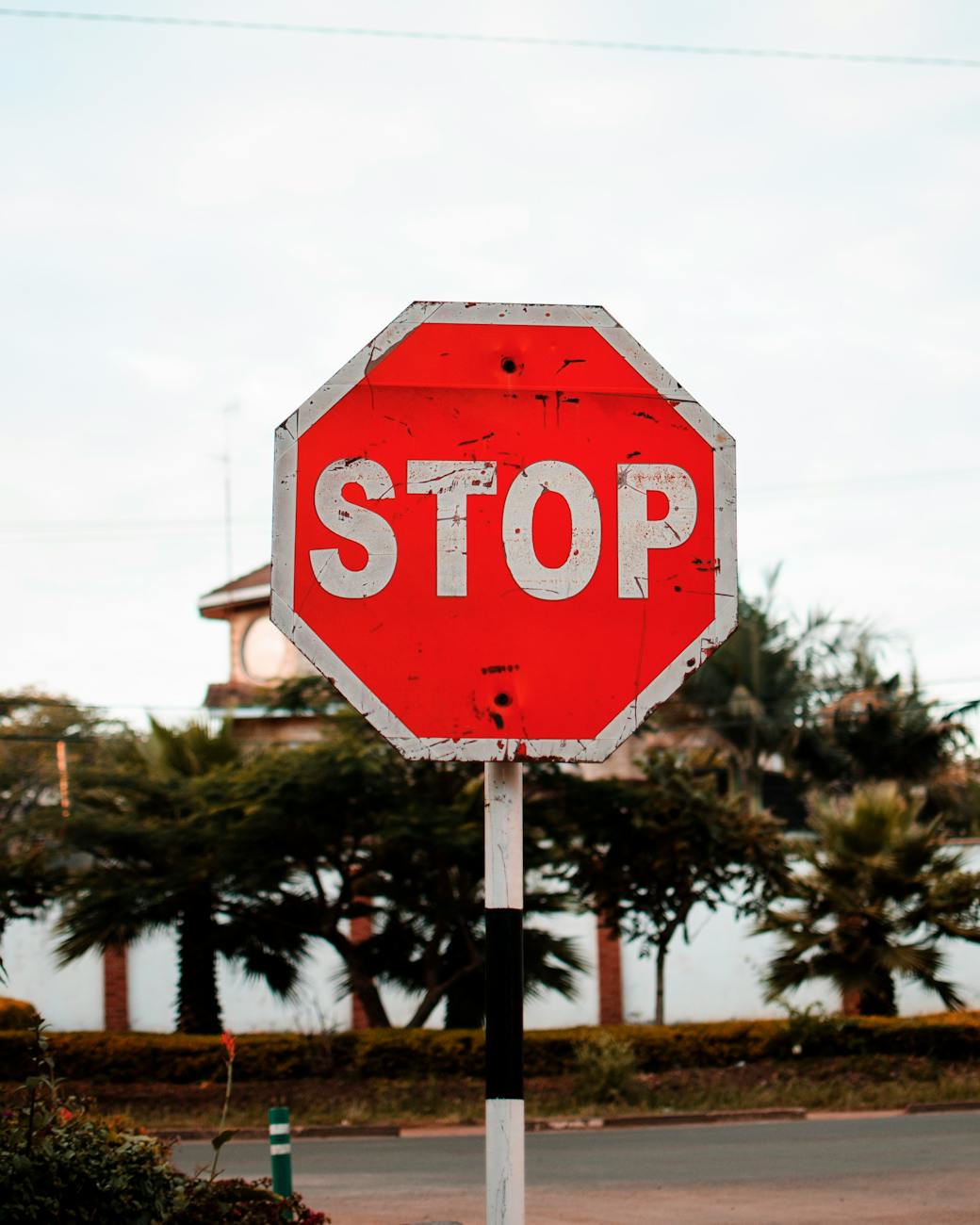
    A stop sign  on a highway, referencing blocked access.
    Photo by Mwabonje Ringa on Pexels.com

    In short there are different types of access, and different needs. Sometimes it’s about being getting into a place, as the definition suggests.

    As a person with learning disabilities, and neurodiverse status this is how I see access.
    With access, I can reach the same goals and outcomes, as everyone else.

    Hand reaching to lightbulb, symbolizing access is reachable.
    Photo by Luca Nardone on Pexels.com

    Wouldn’t it be perfect if everyone got the same education, jobs, housing, and community.
    (Spoiler alert -if that sounds like a fantasy it is one but society could change one day. For now, the pursuit of access is a reality.)

    Picture of blue sky with words Future coming through it
    Photo by Tara Winstead on Pexels.com

    What happens when you don’t have access? You can’t get to the same places or do the things that others can. This is the reality of life without access. To highlight this point let me tell you my own story of getting work as a disabled person.

    Photograph of the author, Beth Birley

    After I graduated university, it took 6 years to get a job. To get there meant having to be put in a disabled box in the end. As someone who would much rather fit in it felt soul destroying. I had to concede it was the only way.  This disabled box though was a specialist employment agency that got me my first proper job.


    Between university and getting a job I did temp work for a bit through an agency. One of the most devastating experiences was when the agency sent me to do an admin for a company. I thought I was getting everything right but half an hour later I was sent home. Can you imagine what that feels like?

    So now you perhaps get a bigger picture on why access is important. Let’s move on to accessible content.

  • West End Live – Sunday

    So yesterday, the weather wasn’t so hot – thank God.

    I turned up and joined the queue into West End Live.

    The event was a lot of fun though I rarely got close to stage area. Thankfully there were big screens showing what was going on.

    I loved all the different acts, particularly Oliver, Titanique, Six and The Producers.

    My one to watch out for coming up will be Pop Up Michelangelo. It’s got a funky pop vibe that will bring Renaissance to a new era.

    I’m surprised they didn’t include Hadestown- but with the heat on Saturday, maybe we already were there.

  • Bitter voices- a poem of dealing with your demons

    I once chose to be liked,

    But only found rejection,

    And bitter voices in me

    Screamed like wild banshees.

    They wailed all my anxieties

    And I had nowhere to hide,

    I tried to trust in my worth

    But their tempest was louder.

    I wailed back but no use

    For their voices drowned me,

    With messages of guilt, pain,

    And how we’ll never belong.

    Then, I learned a new trick,

    To help placate their pains,

    I wrote down counter truths

    Of the good things I have done.

    They still aren’t truly silent now

    But I can calm their storms,

    For I have found strength inside

    Even when it seems I have nothing.

  • On losing a pet

    A fluffy cat curled up with a rainbow cushion underneath them.
    My little boy Obi

    Allow me to introduce my little boy who died in the first week of January this year. It was sad, but I saw it coming, and he had a long life. Yes, I miss his gentle nature – for the boy was a genuine therapuss. (My word but some cats are very therapeutic).

    For the last week or so he hadn’t been eating, so I knew it was sick. Christmas was happening and there wasn’t time to get him to a vet though, but I did what I can. I made sure he was comfortable.

    On the morning where he was gone. I couldn’t find him anywhere, then my friend saw him behind the television. I got him out and already saw he was dead.
    I held him in my lap and cried for a minute. It’s not that I am heartless but was okay with him going if he needed to.

    It was time to decide what to do though. The options were bury him in the garden, or take him to the vets to be cremated. I certainly liked the idea of his cremation.

    If we took him to the vets we had the chance of getting a plaque, which was several hundred.

    Alternatively, it was 60 pounds for him to be cremated.
    I don’t have much money so went for the more affordable. The vets were brilliant. They give me a little box with some of his fur and a paw print on the day. They later sent a letter with their condolences.

    It seems to me that this is pet funerals done right. This service was provided by Kingston upon Thames vets.

    A pet memorial box with a paw print impression, a small tuft of fur, and a condolence card from the veterinary team.

  • English mad dogs- a poem

    Photo by Suzy Hazelwood on Pexels.com

    In summer, many Brits head outside

    All happy, playing, and feeling alive,

    While some, like me, choose to hide

    In shade when sun is past 25.

    “I’m melting “ I cry, out in the heat,

    Needs more than water to fuel my thirst,

    While English mad dogs are lining the street,

    I have air con on till it’s past the worst.