Tag: access

  • Disability Pride month

    Why do we have disability pride?
    The answer goes down to finding our identity and feeling good about ourselves. It also serves to promote the need for diversity and encourage others to embrace it.

    Image displaying different people working together
    Photo by Diva Plavalaguna on Pexels.com

    Time for a personal reflection on it.
    Finding yourself is a lot harder when you are someone who doesn’t fit with normal social expectations. I have seen firsthand how it is to feel helpless and struggled to do things that others find easy.
    It took away my sense of self, belief in my skills and ability to be resilient. Being disabled can also leave people feeling burdened, and alone.
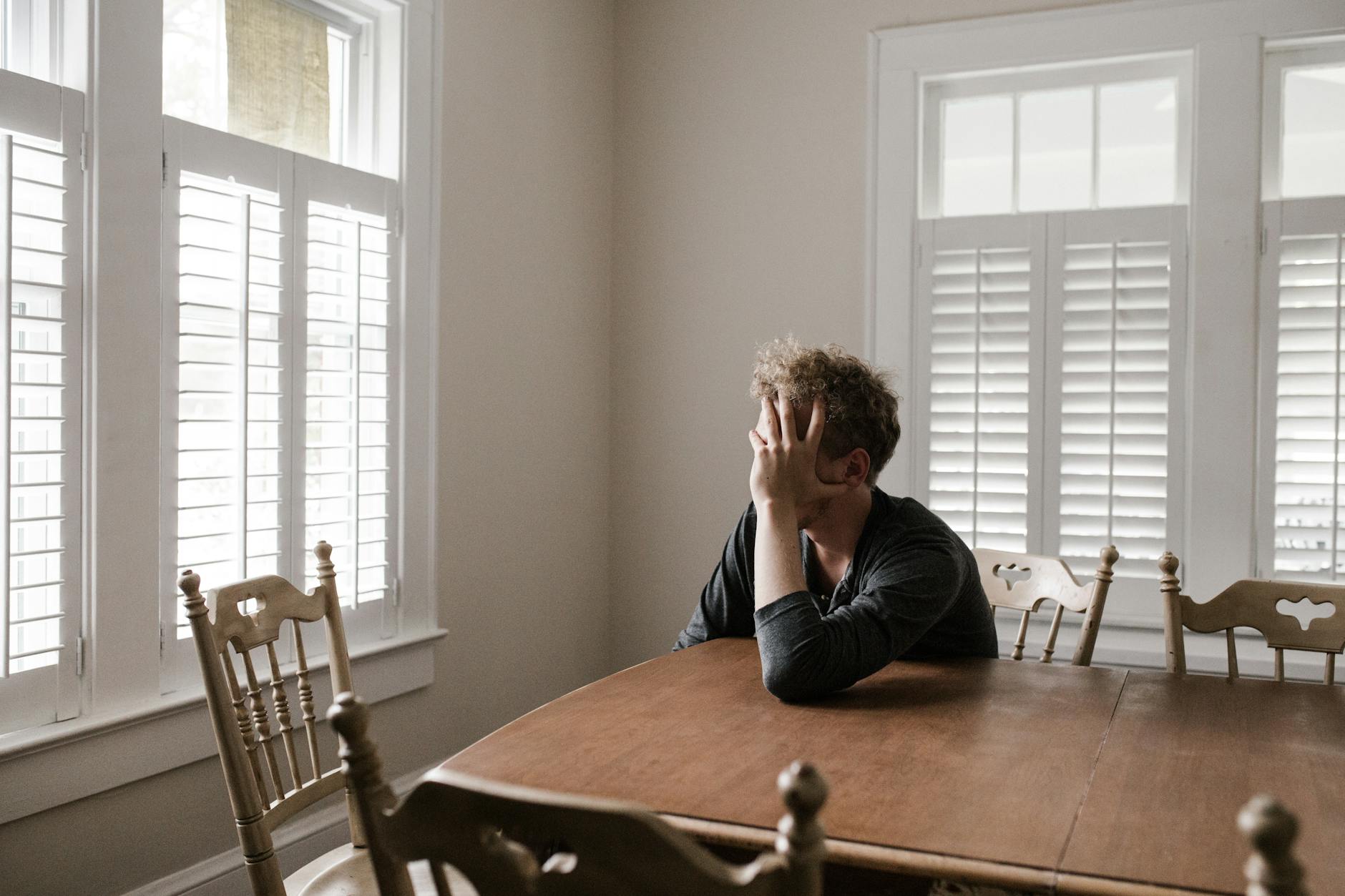
    Woman sits at table by herself, staring out the window.
    Photo by Andrew Neel on Pexels.com


    As humans progress, I believe we will one day change society so we can be included better.
    This will lead to more willingness to hire disabled workers, and more role models that show disability in positive light.

    The word future written on blue surface
    Photo by Tara Winstead on Pexels.com

    Right now, disabled are often viewed in media with certain stereotypes. These include superheroes and villains, vulnerable people who can’t manage, or miraculous healers. None of these are positive images that show a good picture of disabled lives.

    So, think about the disabled people around you, and who they want to be.
  • Accessible content – getting through barriers

    Photo by Mwabonje Ringa on Pexels.com

    Thanks for staying with me.

    We can’t talk about access, without looking at the things that prevent it, blocks and barriers.

    Ask any disabled person, I expect you will find that they have come against blocks/barriers in their life.

    Some places try to improve this and will consult with learning disabled on how things can be done better. I see a few companies putting in positive employment schemes to help disabled workers join or advance. That’s brilliant help.

    Let’s talk about how we manage through barriers without the help there.

    It’s important that we speak out and explain the issues that we have. After all, if we can’t explain the problem or barrier, how can others help us through it?

    I challenge you to think about the blocks and barriers in front of you. Write them down, list the areas and explain how you would like others to help you through.

  • What’s so amazing about words?

    A notepad with two pencils on a pink background.
    Photo by Mike Murray on Pexels.com

    Before we talk more on fonts, type color, or pictures let’s talk about words. People use words quite a lot. We use them in talking, writing, reading, listening and thinking.

    An open book with hard to decipher writing with other books behind.

    Here is an example of how not to use words well… 

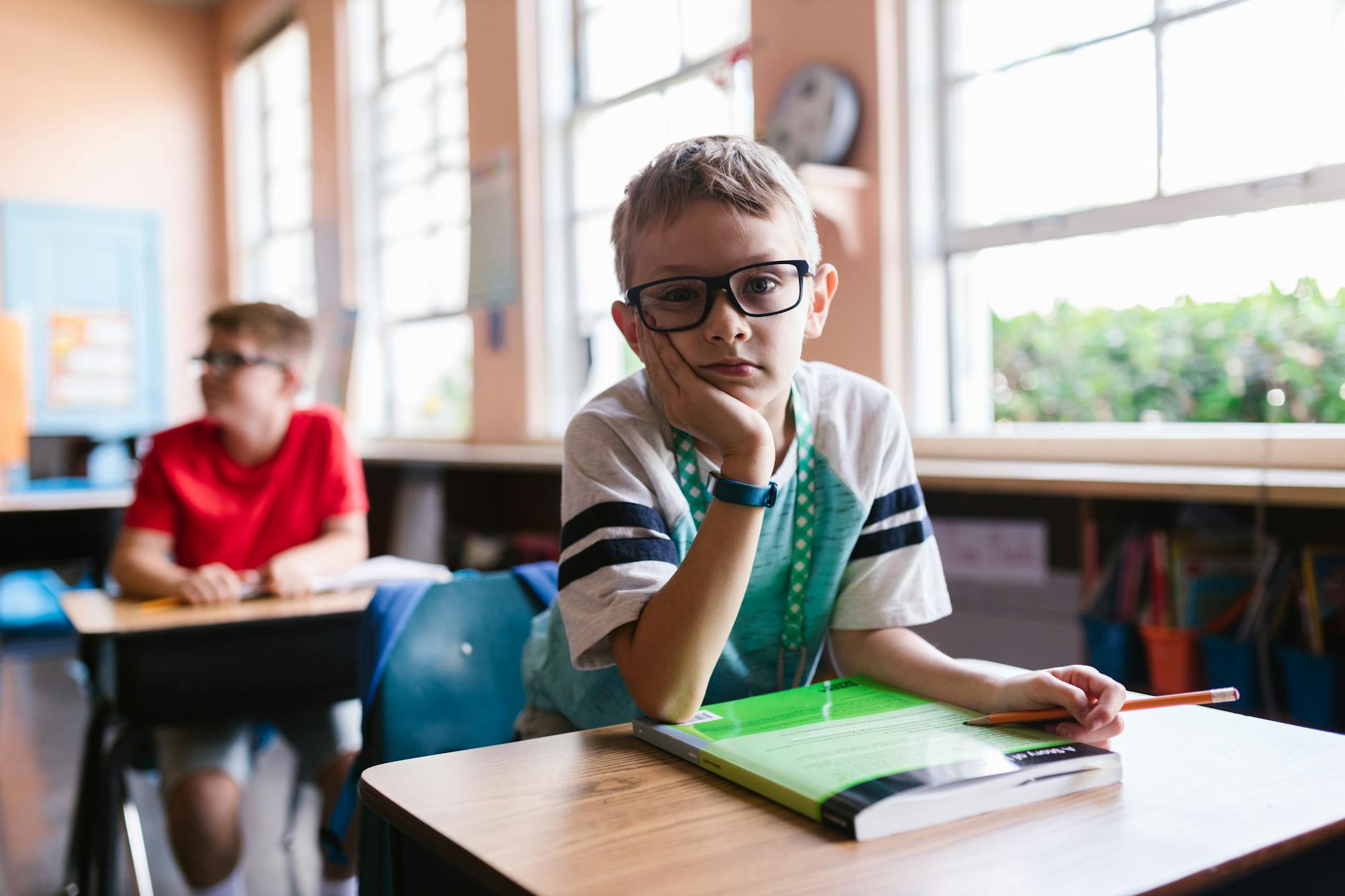
    Have you ever been in a class and felt the teacher was droning on and you didn’t understand? I know for me my mind will start to wander after a few minutes. I don’t mean this to happen but when classes or meetings aren’t interacting this is what happens. How much of the lesson do you think am going to remember?

    A bored child at school stares into space
    Photo by RDNE Stock project on Pexels.com

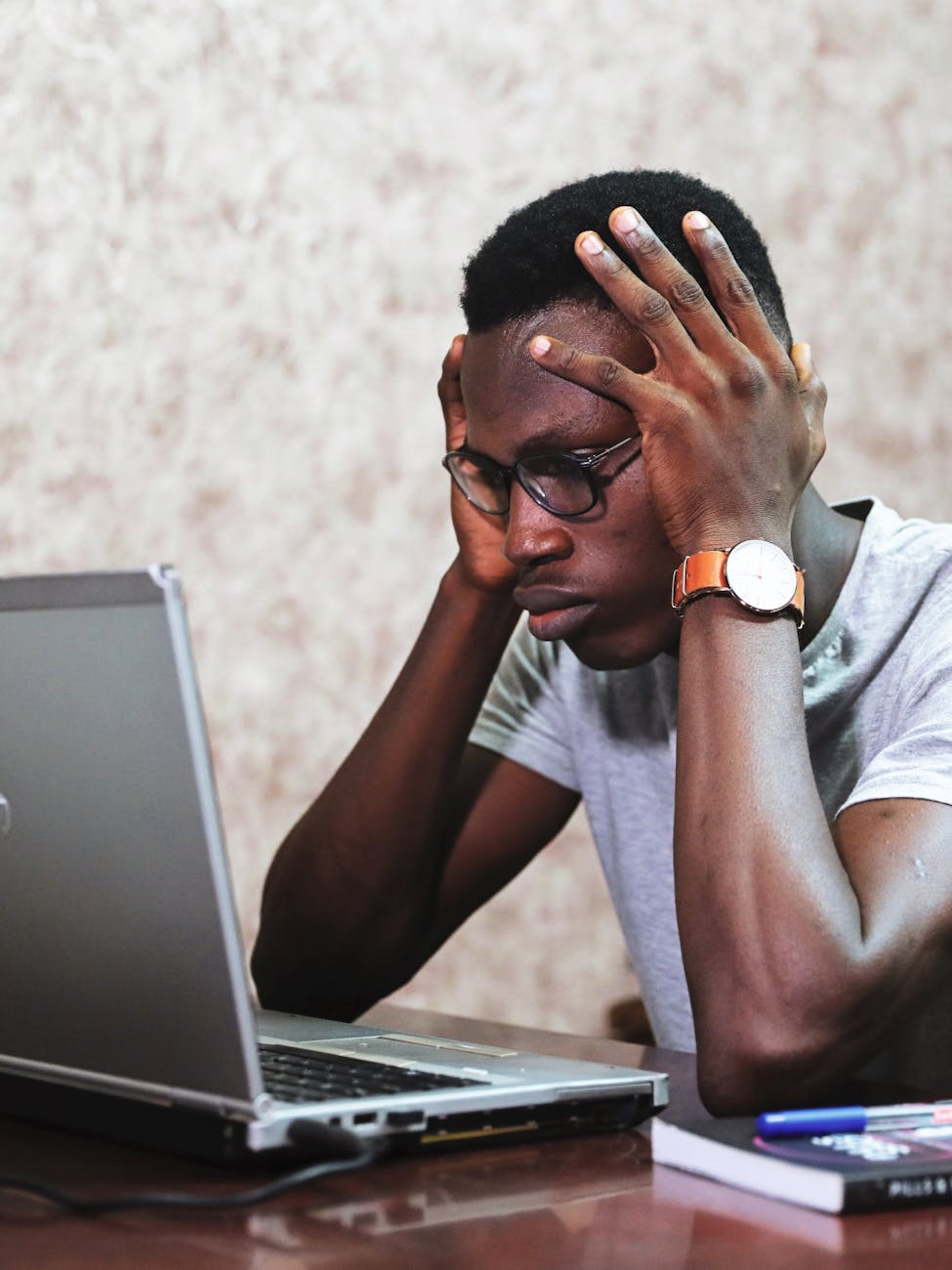
    Even when things are written down, they don’t make sense sometimes. The sentence and paragraphs structures aren’t right, or there are a lot of words we don’t understand.

    A man struggling to read information on his laptop.
    Photo by Oladimeji Ajegbile on Pexels.com

    In all our communications throughout life, we are sending or receiving a message from someone else.

    We already looked at what happens when someone doesn’t understand. To make this easier our communications should be

    • Clear – the message should be easy for the audience to follow.
    • Concise – This means being brief and to the point. We do this through keeping our sentences short and splitting different areas into paragraphs.
    • Easy to understand – getting its meaning across to others

    Here are two examples, one follows these rules so let’s see if you can spot which.

    1st) “Due to the supermarket not having what you needed, I couldn’t get your shopping.”
    2nd) “They were out of what you need so I couldn’t buy it.”

    Which sounds better? (The answer is B)

    In summary, remember to

    • Use words your readers know, 
    • keep your message brief & get to the point,
    • Make sure the readers understand your meaning.

    Tomorrow we are going to talk about active and passive voices.

  • What is Accessible Content?

    A question mark made of tiny buttons on a yellow background.
    Photo by Anna Shvets on Pexels.com

    Let’s start with what access means first.

    Many people in the world can achieve some things they want to, but not all. And sometimes that is down to lack of access.
    Google defines access as “the means or opportunity to enter or approach a place” but that is simplistic. To me, access also refers to permission to use a resource or take in information.

    A stop sign  on a highway, referencing blocked access.
    Photo by Mwabonje Ringa on Pexels.com

    In short there are different types of access, and different needs. Sometimes it’s about being getting into a place, as the definition suggests.

    As a person with learning disabilities, and neurodiverse status this is how I see access.
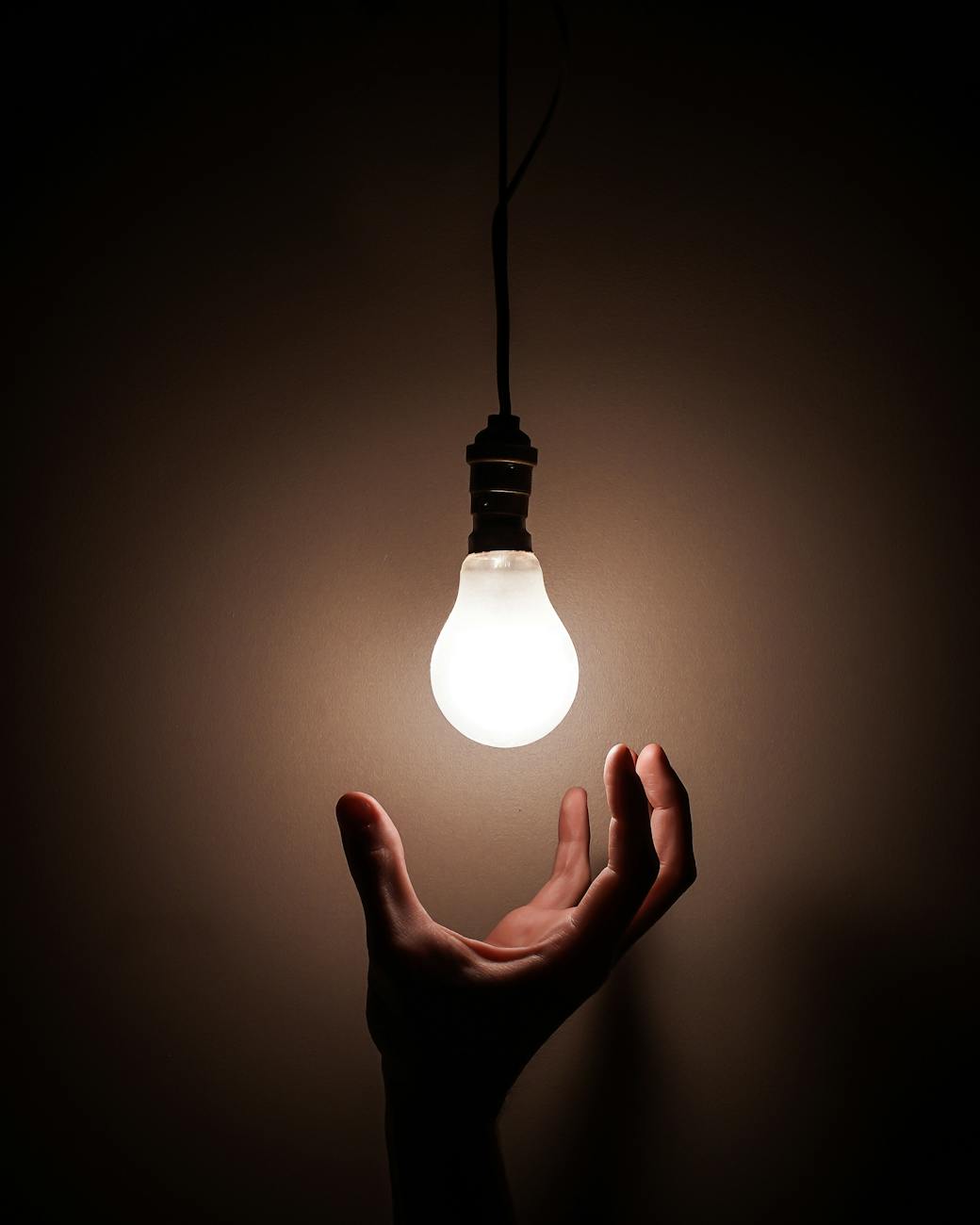
    With access, I can reach the same goals and outcomes, as everyone else.

    Hand reaching to lightbulb, symbolizing access is reachable.
    Photo by Luca Nardone on Pexels.com

    Wouldn’t it be perfect if everyone got the same education, jobs, housing, and community.
    (Spoiler alert -if that sounds like a fantasy it is one but society could change one day. For now, the pursuit of access is a reality.)

    Picture of blue sky with words Future coming through it
    Photo by Tara Winstead on Pexels.com

    What happens when you don’t have access? You can’t get to the same places or do the things that others can. This is the reality of life without access. To highlight this point let me tell you my own story of getting work as a disabled person.

    Photograph of the author, Beth Birley

    After I graduated university, it took 6 years to get a job. To get there meant having to be put in a disabled box in the end. As someone who would much rather fit in it felt soul destroying. I had to concede it was the only way.  This disabled box though was a specialist employment agency that got me my first proper job.


    Between university and getting a job I did temp work for a bit through an agency. One of the most devastating experiences was when the agency sent me to do an admin for a company. I thought I was getting everything right but half an hour later I was sent home. Can you imagine what that feels like?

    So now you perhaps get a bigger picture on why access is important. Let’s move on to accessible content.